
Silver bullion
Silver Bullion for Sale
Silver bullion is silver bought for its metal content rather than its collectability. What you're paying for is weight and purity, and the only real question is how much over the spot price you pay to get it.
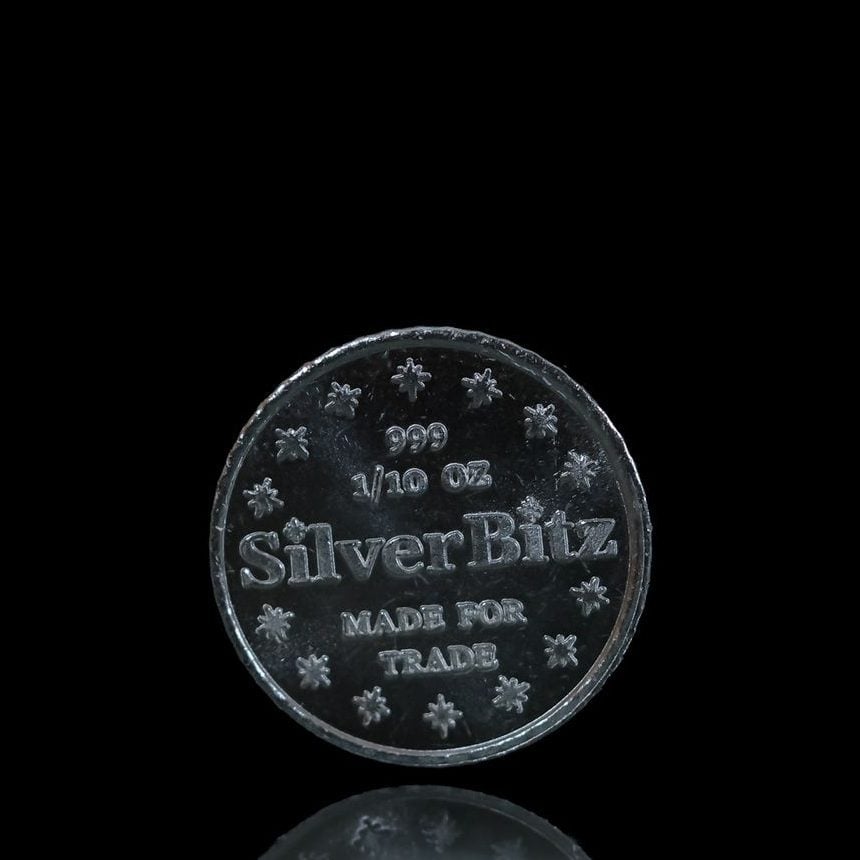
SilverBitz Freedom Bird 1/10 oz.999 fine silver, minted in New Hampshire
As low as$6.04per round
Buy now
The three forms
Rounds, bars and coins
Rounds
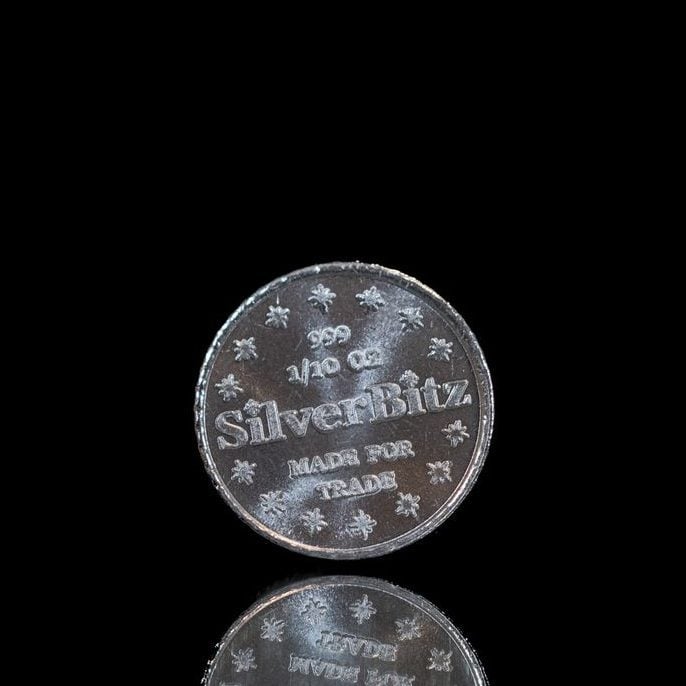
Rounds are privately minted discs. They carry no face value and no government association, which is exactly why many stackers prefer them over coins. Reputable silver rounds are stamped with purity, weight, and some kind of mint mark. Our own SilverBitz rounds are struck here in New Hampshire, and we buy them back above spot.
Bars
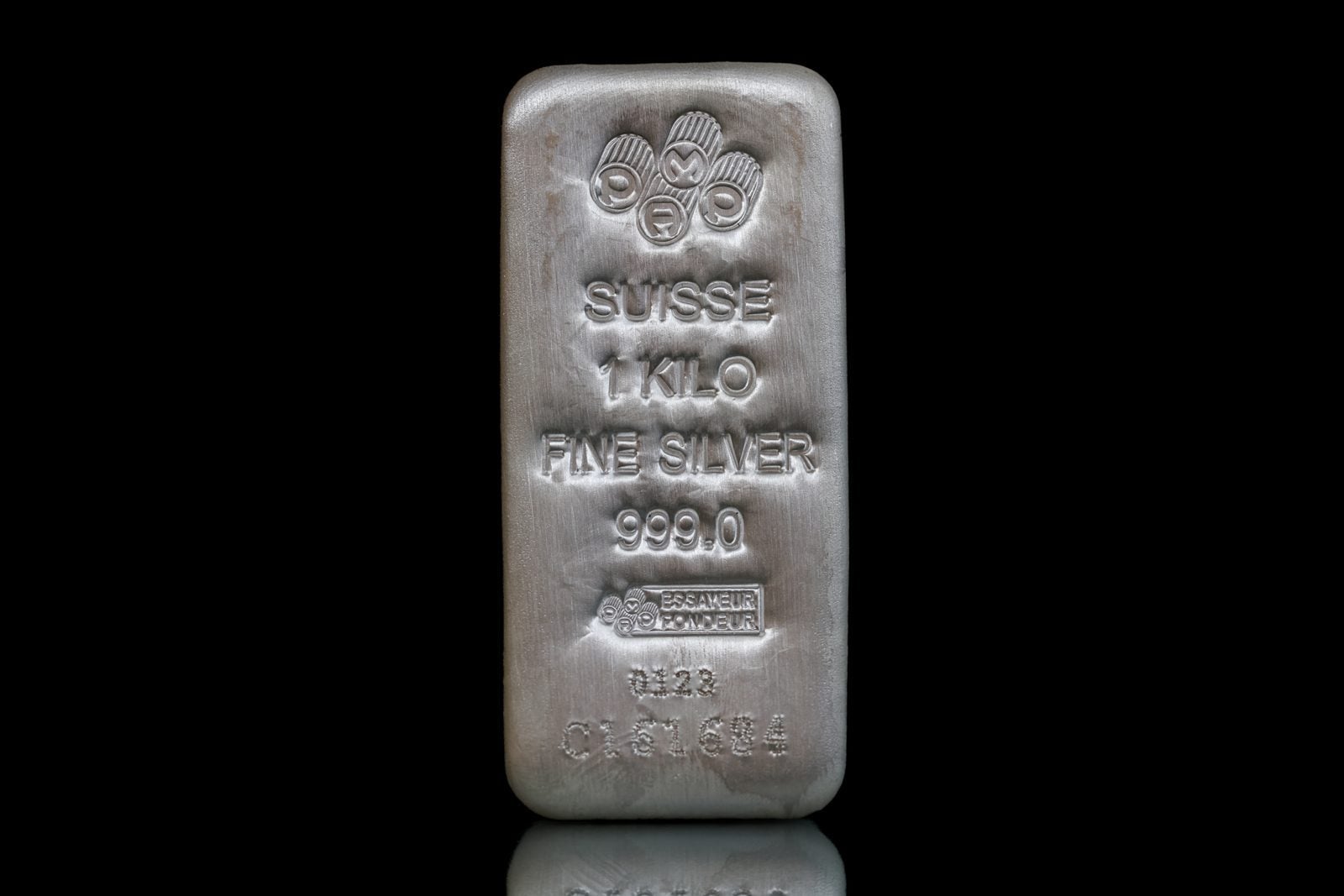
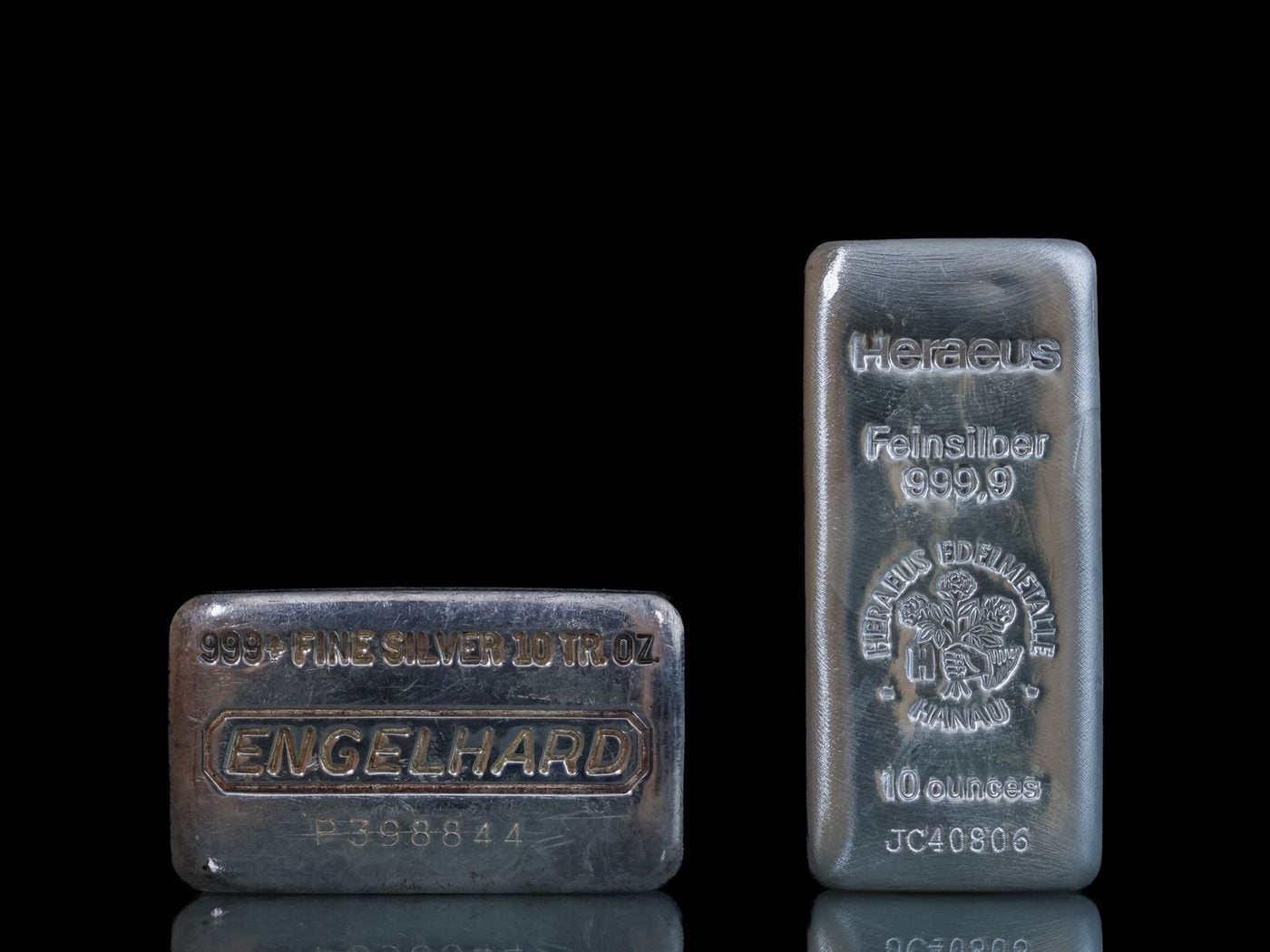
Bars are the most efficient form by weight. The larger the bar, the lower the premium per ounce, because a 10 oz bar takes about the same work to produce as a 1 oz one. The trade-off is divisibility, since a 10 oz bar has to be sold whole. Many silver stackers are trading in their bullion bars for SilverBitz. Our Silver Buying Guide explains exactly how.
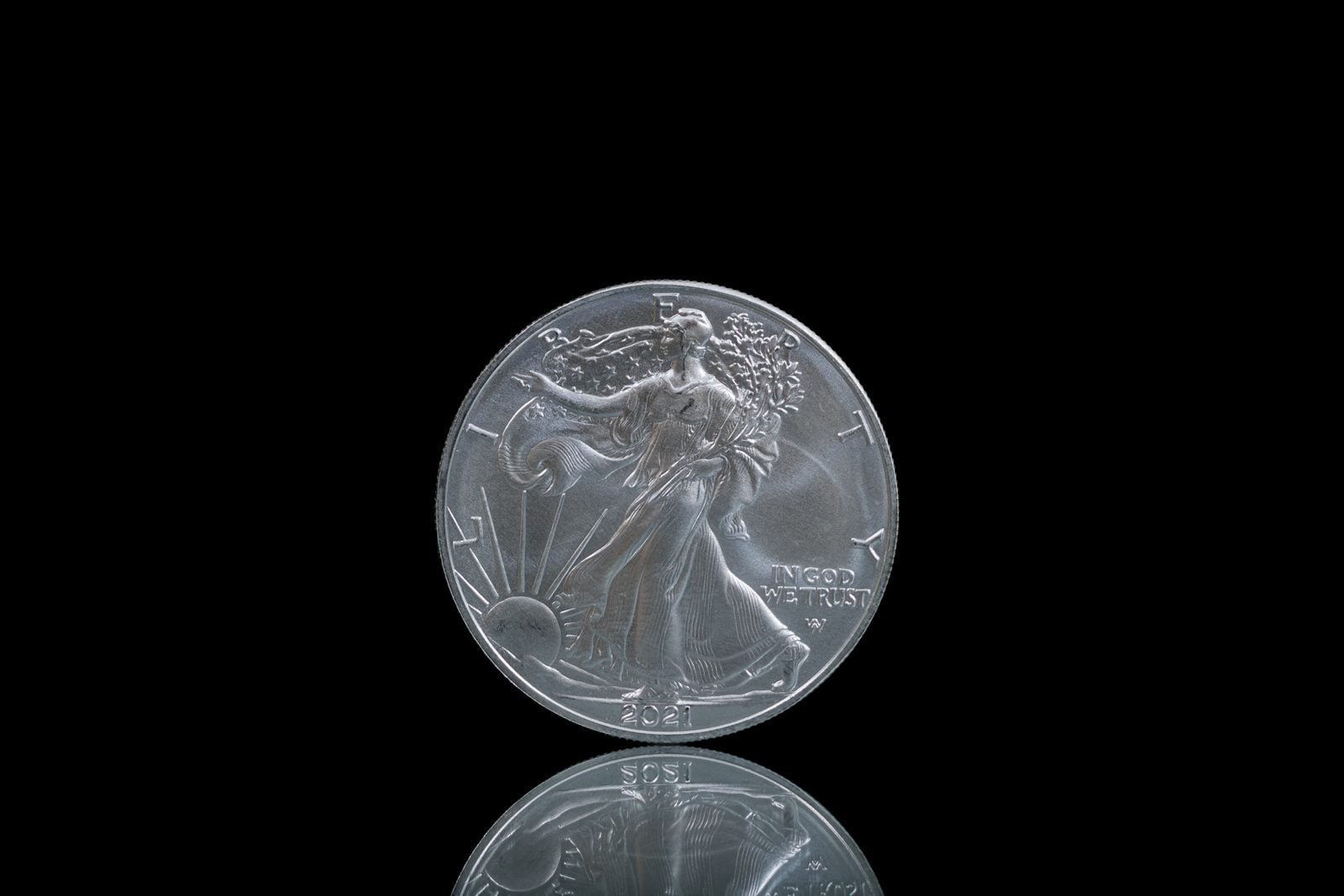
Government coins
Government coins like the American Silver Eagle and the Canadian Silver Maple are struck by sovereign mints and carry a legal face value. Their weight and purity are guaranteed by a government, which makes them the most recognizable silver in the world, and often easier to sell for a higher rate. You pay a higher premium for that.
