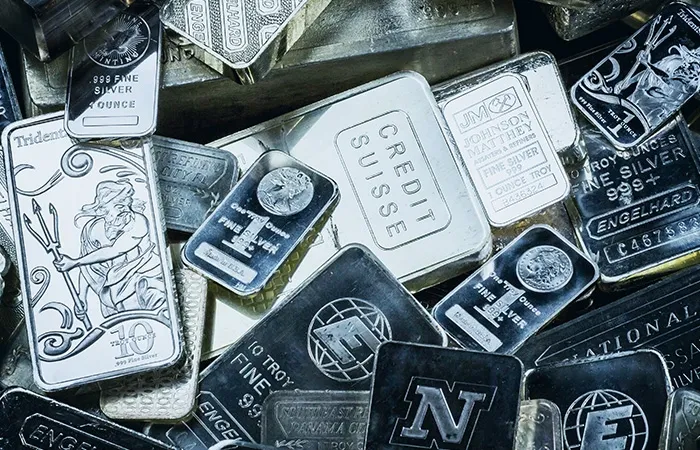
Silver, with its timeless allure and captivating shine, has been cherished for centuries. Yet, not all silver is created equal. Two commonly encountered forms are sterling silver and pure silver, each with its unique characteristics and applications. In this article, we’ll delve into the distinctions between sterling silver and pure silver to help you understand their properties, uses, and how to make informed choices when it comes to these precious metals.
Pure Silver: The Pinnacle of Purity
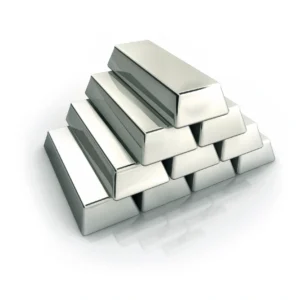
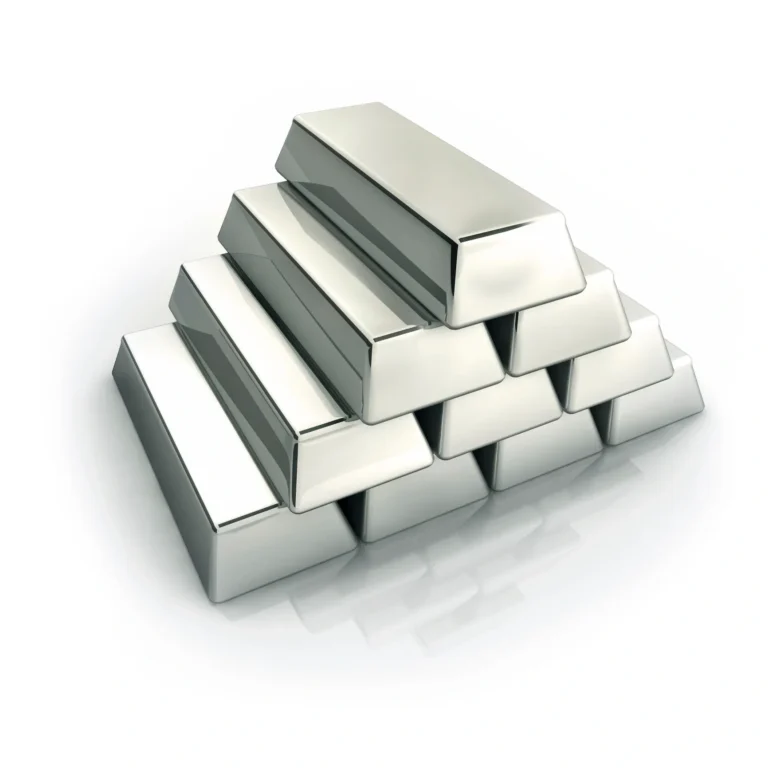
Pure silver, often referred to as fine silver, is the closest you can get to the elemental silver found in nature. It is composed of 99.9% silver, with minimal impurities. Its exceptional purity is what gives it a dazzling, near-white luster. However, this high level of purity also makes it relatively soft and malleable, rendering it less suitable for certain applications.
Sterling Silver: The Durable Alloy
Sterling silver, on the other hand, is a silver alloy. It combines 92.5% pure silver with 7.5% of another metal, typically copper. This alloying process enhances the metal’s strength and durability while preserving much of the characteristic silver appearance. Sterling silver is renowned for its gleaming beauty and versatility, making it a favored choice for jewelry, tableware, and decorative items.
Key Differences: Composition and Strength
- Composition: The primary distinction lies in their composition. Pure silver is nearly 100% silver, while sterling silver is a blend of silver and another metal, usually copper.
- Durability: Sterling silver is considerably more durable than pure silver due to its alloyed nature. It can withstand everyday wear and tear without losing its shape or shine. In contrast, pure silver is softer and more prone to scratches and bending.
- Tarnish Resistance: Pure silver is less likely to tarnish compared to sterling silver. Sterling silver’s copper content can react with air and moisture over time, leading to tarnishing. However, tarnish can be easily removed through cleaning and polishing.
Applications: Where to Use Each
- Pure Silver: Fine silver is primarily used in applications where purity and appearance are paramount, such as in high-end jewelry, commemorative coins, and intricate decorative pieces. Due to its softness, it is less suitable for items subjected to frequent handling or stress.
- Sterling Silver: Sterling silver’s durability makes it a popular choice for a wide range of items, including jewelry, flatware, cutlery, and decorative objects. Its versatility and strength make it ideal for pieces that need to maintain their form and withstand regular use.
Maintenance and Care
Both sterling silver and pure silver require some care to preserve their beauty over time. Regular cleaning and proper storage can help prevent tarnish and maintain their shine. Sterling silver items may require more frequent care due to their copper content.
In the world of silver, understanding the differences between sterling silver and pure silver is essential for making informed choices. Pure silver, with its unparalleled purity, is prized for its appearance, while sterling silver, with its alloyed strength, offers durability for everyday use. Whether you’re choosing jewelry, tableware, or decorative items, knowing the unique qualities of each type of silver empowers you to select the perfect piece to suit your needs and preferences, ensuring your silver possessions remain radiant for generations to come.