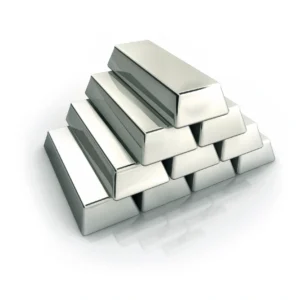
When we think of silver, our minds often conjure images of gleaming jewelry, elegant tableware, or perhaps the coveted Olympic medal. While silver’s aesthetic appeal has captivated humanity for centuries, its significance goes far beyond its ornamental and monetary value. In the world of technology, silver plays a crucial role, contributing to the advancement of everything from electronics to renewable energy systems. In this blog, we’ll delve into the fascinating ways silver is utilized in technology and the essential role it plays in shaping our modern world.
Silver as a Conductor
Silver’s remarkable conductivity makes it an indispensable component in the world of electronics. While copper is the most common conductor due to its lower cost, silver outperforms it when it comes to electrical conductivity. Silver conducts electricity with exceptional efficiency, making it ideal for applications where minimal electrical resistance is crucial.
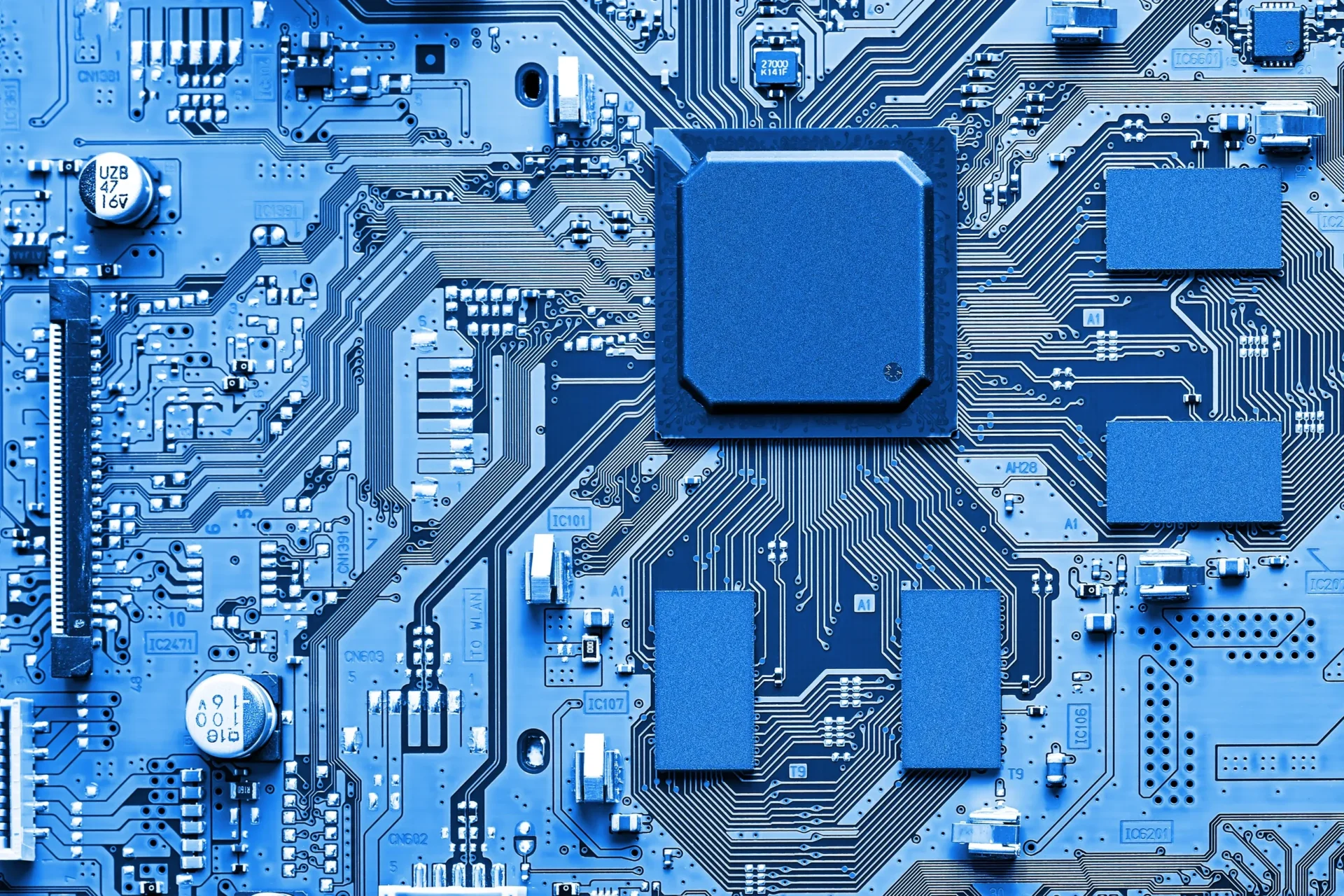
- Circuit Boards: Silver is often used to create printed circuit boards (PCBs) that power electronic devices, from smartphones to computers. The thin traces of silver on these boards provide a reliable pathway for electrical signals to flow, ensuring the proper functioning of the device.
- Connectors and Wires: In high-performance and specialized applications, silver wires and connectors are preferred for their superior conductivity. They are commonly used in industries such as aerospace and telecommunications.
Silver in Batteries
Silver oxide batteries are widely used in various electronic devices. These batteries offer a high energy density, making them suitable for applications where long-lasting power is essential, such as in watches, hearing aids, and cameras. The use of silver in batteries helps ensure that these devices remain compact while providing reliable power.
Silver in Displays
The development of flat-panel displays has revolutionized the way we interact with technology. Silver is an essential component in this transformation, contributing to the creation of vibrant and high-resolution screens.
- Liquid Crystal Displays (LCDs): In LCDs, silver is used in transparent conductive films. These films create the electrical fields required to control the liquid crystals, allowing for the precise manipulation of pixel colors. The result is the sharp and colorful displays found in devices like televisions and smartphones.
- Touchscreens: Modern touchscreen technology relies on silver nanowires to enable touch sensitivity. These thin, conductive wires are transparent, ensuring that touchscreens remain responsive while maintaining image clarity.
Silver in Solar Panels
As the world shifts towards renewable energy sources, silver’s conductivity and durability are harnessed in photovoltaic solar panels. Silver is used as a conductive paste to create electrical connections within solar cells. This helps efficiently capture and convert sunlight into electricity.
Silver’s Antibacterial Properties in Medical Devices
Silver’s antimicrobial properties have been recognized for centuries, and in modern technology, it plays a crucial role in medical devices.
- Catheters and Wound Dressings: Silver is incorporated into catheters and wound dressings to prevent bacterial growth and reduce the risk of infections in patients.
- Water Purification: Silver nanoparticles are used in water purification systems to eliminate harmful bacteria and ensure safe drinking water.
Silver’s use in technology extends far beyond its aesthetic appeal or monetary value. Its exceptional conductivity, antimicrobial properties, and durability make it an invaluable component in a wide range of technological applications. From enabling high-performance electronics to contributing to renewable energy solutions, silver’s role in shaping our modern world cannot be overstated. As technology continues to evolve, we can expect silver to remain a shining star in the realm of innovation and progress.